

In January, GP registrar Dr Mallee Lambert jumped in the car with his partner, his dog and most of their belongings to make the several-days-long trip up to remote Arnhem Land – and he says “taking the plunge” was more than worth it.
This year, Dr Lambert is one of two recipients of the $20,000 General Practice Registrars Australia Kanyini scholarship, which supports doctors to relocate to the Northern Territory for training.
The name, Kanyini, is a Pitjantjatjara and Yankunytjatjara term connected to care, responsibility, and nurturing.
Dr Lambert sat down with The Medical Republic for a chat about training in Australia’s top end.
The Medical Republic: I read that you grew up in Lovett Bay, which I see is a water-access-only community up above Sydney’s northern beaches. You are now in a very different end of the country, but I was interested to hear whether there were any similarities to the Northern Territory in that remoteness aspect.
Dr Mallee Lambert: Growing up where I grew up, if you want two litres of milk and bread at home it’s got to be handled seven or eight times before it hits the fridge.
Out of the car, on the boat, on the ferry, off the ferry, and up the hill. Everything requires more work, and the same sort of thing applies when you’re up here.
Even though you’re on mainland Australia [here], it’s so remote that everything involves two or three extra steps. And the same can be said for healthcare access – you’re one further degree of separation away from help.
You’ve got to be resourceful, and I think probably growing up in Lovett Bay probably has led me to be more inclined to work rurally or remotely.
It’s not that it’s that isolated. If you think about it, as the crow flies, it’s really not far out of Sydney.
TMR: That access component ends up being really important.
Dr Lambert: Access is everything. Exactly right.
There’s a community of people that either live on [Scotland] Island or they live on the western foreshore, and there’s no roads there. It’s boat access only.
Through my lifetime, especially since I’ve become a doctor, I’ve had lots of instances where I’ve been like, ‘oh my gosh there’s no access to healthcare’.
For example, last year I was back home spending time with family and our neighbour got really unwell, and she wanted to die at home. She had stage four metastatic cancer, and she wanted to die at home, but she couldn’t actually get the services out there to do an at-home palliation.
I was able to help her with that, and she died. She had a really, really nice death, and it was on her terms at home.
But even though you’re only five to 10 kilometres from the mainland, just being bound by water and not having road access totally limits the kind of healthcare that you can receive.
Those are some of the things that I’ve grown up with in Lovett Bay, and I kind of like it when you have to take an extra step or there’s a bit of extra effort involved, because it just means more for the people that you’re treating.
TMR: Did you go into medicine intending to go rural?
Dr Lambert: I don’t think so.
It’s probably always within me to be like, ‘oh, I’d love to be a rural GP’, but I’m postgraduate year six now and I’ve done a lot of different things.
I did ED for a while. I did rehabilitation medicine – which is really the opposite of rural medicine. And now I’ve sort of circled back [to an ACRRM fellowship].
I think it was maybe part of the plan, but not what I actively set out to do. It’s just found me because I think it’s the right thing for me.
Related
TMR: You also spent some time in Papua New Guinea as a medical student. How did that help influence your decision?
Dr Lambert: In 2019, I went over with two of my best friends to Kavieng, which is a little coastal town or village in New Ireland, one of the outer islands in Papua New Guinea.
We went out there to do volunteer work in the local hospital, and it did not take long from landing there to seeing some things in the hospital and just going, ‘wow’.
You don’t have to travel too far away from Australia to realise just what limited access to health really looks like on the ground.
We saw some really, really, really interesting things.
Within the first week of us being there, me and the other two students got told to go down to the waterfront – the hospital’s on the water. Go down to the waterfront, there’s a woman, she’s coming in from one of the outer islands, she’s sick. That’s all we heard.
So we go down to the beach, and sure enough, this longboat comes in and there’s a few people in the boat.
There’s one woman and she’s laying down. She’s really unwell and not really responding. And then there was another man and he was holding two babies, sort of wrapped up. It was sort of like, all right, what’s going on here? We weren’t really sure.
Well, we carried the woman out of the boat, but when we picked her up, we saw that these two coconuts sort of came up with her. We had a look at the coconuts, and they were hanging between her legs, and we were just like, what’s going on here?.
We had a closer look, and they actually had been tied around her umbilical cords. She’d given birth to these two twins three or four days previously, but had retained the placentas and, naturally, become septic.
That was that was within a week of being there. So I was just like, ‘wow, what is going on?’
Either way, we got into the hospital and she was okay, she had them removed.
But she drove hundreds of kilometres from an outer island on a boat, and they just did what they could, which was tie some coconuts on there.
I think going over to Papua New Guinea and seeing some of those things and going, ‘wow, these people really need help’, made me look a little bit more internally, because it feels good to help people that need help.
That’s why you do medicine.
Then I looked a bit more internally, I guess, and realised that you don’t need to travel overseas to do aid work. It’s here. It’s in Australia. You come to the Northern Territory and you go to some of these remote areas, and they’re dealing with really high rates of what we consider in Australia to be third world diseases.
Rheumatic heart disease is probably the perfect example of that.
But it just goes to show you don’t need to work for Médecins Sans Frontiers or anything like that to do what feels like humanitarian work. You can do it in in your own country and help the people that you know we really should be helping.
It’s been really nice being up here and doing that kind of work. I feel like my energy is in the right area.
TMR: Tell me about where you live and work.
Dr Lambert: Since we started speaking, I just walked out of the clinic and down to the waterfront. It’s 300 metres away.
It’s a little community right on the tip of this peninsula. There’s beautiful sand and clean water around, and I can see some locals walking down the beach with some spears, going for a spear[fish].
It’s a really vibrant community in Yirrkala, which is where I’m working, and that’s 20 minutes out of town.
And I work half-time at Miwatj, an Aboriginal-led healthcare organisation, and half-time at Gove District Hospital, which is NT government, and that’s in town in Nhulunbuy.
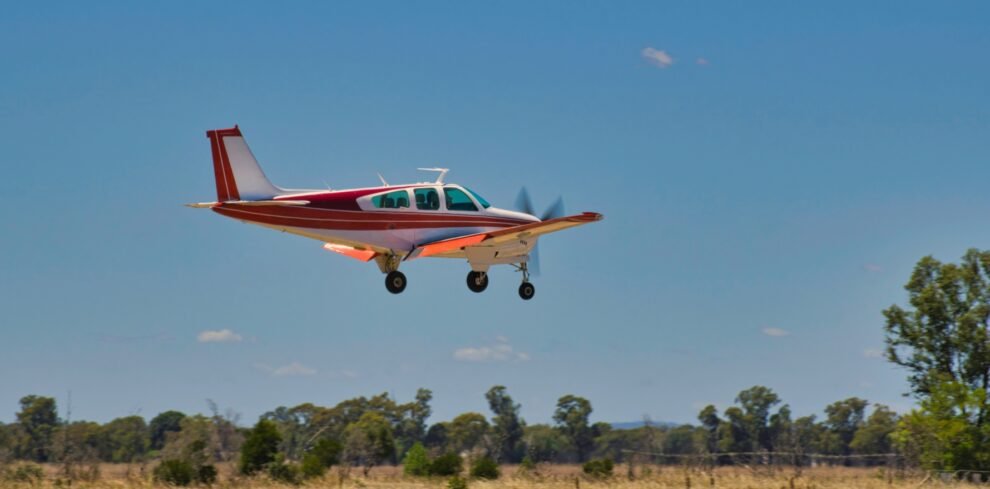
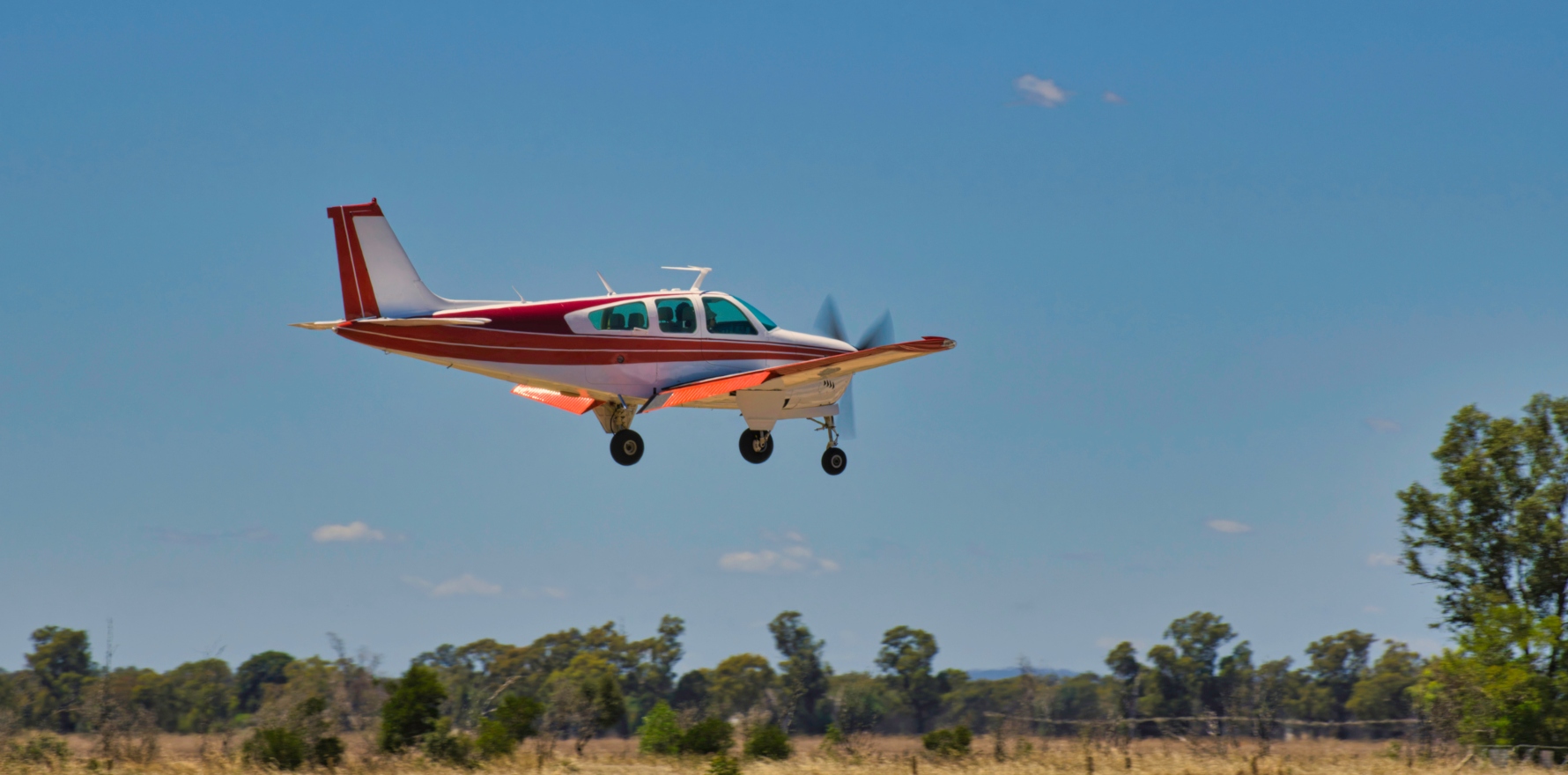
I go out to Galiwin’ku as well. Once every six weeks, they’ll fly me on a little charter plane all the way out to Elcho Island, and that’s another degree of separation.
The things that you see there are even more interesting – or, more to the point, the people there need your help even more than they do in Yirrkala, which is just out of town.
TMR: A lot of rural doctors we chat do say they enjoy being part of a community. Do you get a sense of that in Nhulunbuy?
Dr Lambert: I’ve been very lucky since moving here.
My godfather is a professor of film and media, and he’s been coming up to Nhulunbuy and doing documentaries for 25 to 30 years. He’s got a family up here that have adopted him.
When I came into town – I’d just driven into town that night – we’d already met family members and been adopted by them and had dinner together and got placed immediately as soon as we came into town.
The Yolngu people, they really want to place you. They need to put you within a kinship system so that they can understand you.
They’re very, very welcoming, and everyone knows everyone.
I chose Nhulunbuy because my godfather told me about it forever, growing up, and I’ve seen all his documentaries. So this was the place to come.
TMR: What would you say to other early career doctors who aren’t too sure about going rural?
Dr Lambert: I can’t see how you couldn’t love it, given how enriching this has been for me in such a short amount of time.
I’d say, you know, to just take the plunge. But I think what people don’t realise is that these little towns are perfect to raise young families in.
There are organisations like GPRA really working hard to make it easier for families to relocate or to pursue training for advanced skills, particularly in rural areas.
There’s a lot of support there if you look for it. There’s all these incentives that people are trying to organise to keep you out here.
I flew up in September last year, and I just checked out the town before I moved myself and my partner and my dog up. I went to the hospital, and I just introduced myself and met up with some friends of friends and got shown around town.
I was only here for two or three days, but that was enough.
If you’re curious enough and you’re interested enough, just take one step forward and go check out the area, and then make a call yourself.
I truly am grateful to have received this scholarship, and I feel like I’m going to put it to really good use.
TMR: You mentioned you moved up with your dog. What’s his name and is he liking the top end?
Dr Lambert: Wompy!
He’s a little chihuahua, he’s good value. Easy on a long car trip, I’ll say that.
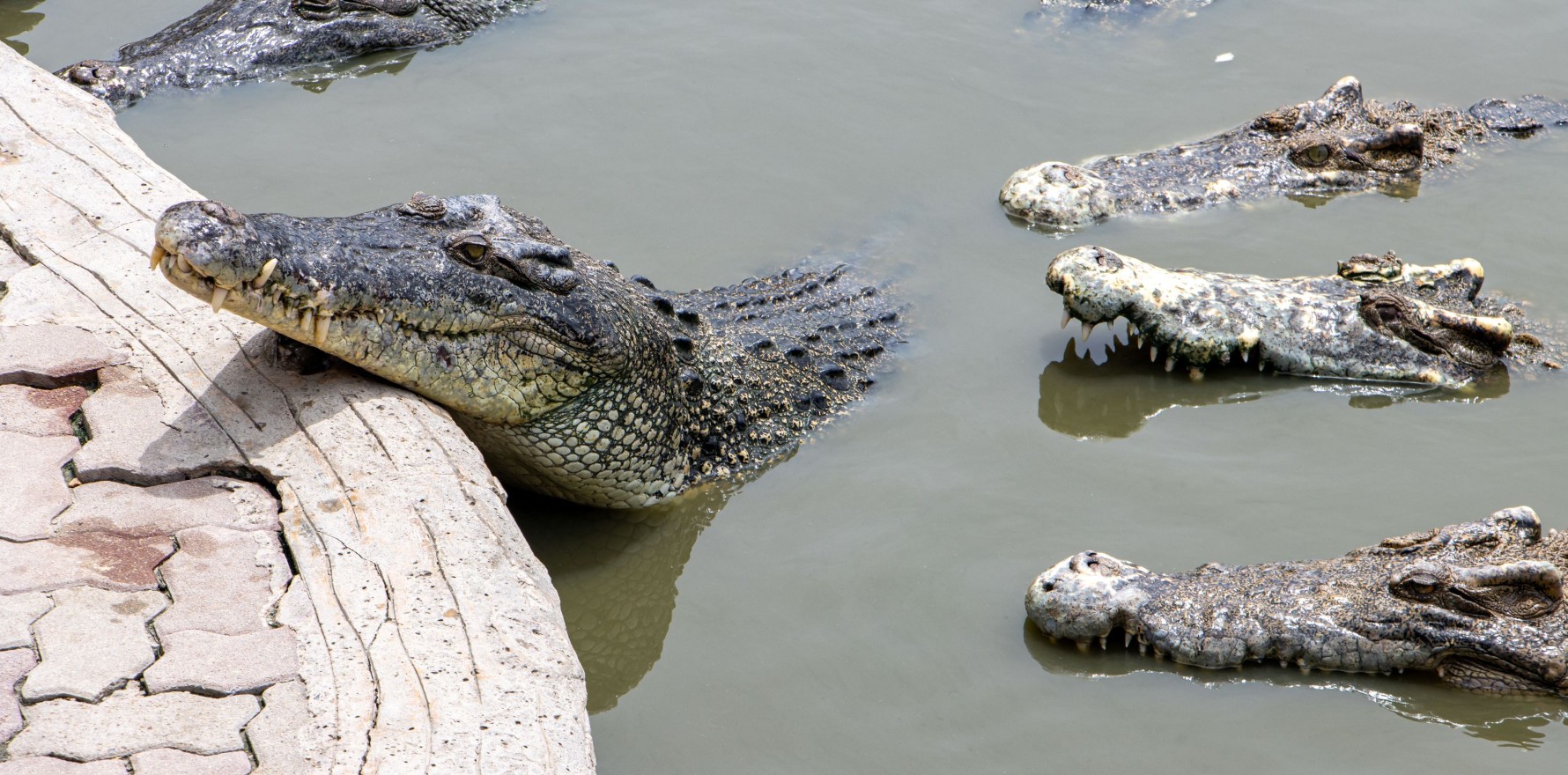
We were surprised – there’s a lot of chihuahuas up here in these communities, and I’ve been told by people that the chihuahuas and the small dogs do well because the crocs can’t get them or don’t think it’s worth their while.
This interview was edited for length and clarity.
This is part one of two. Check out tomorrow’s newsletter for the second article in this series, an interview with Kanyini scholarship joint recipient Dr Niamh Fingleton.
The post What training in the Top End taught this RG registrar appeared first on Medical Republic.




Add Comment