



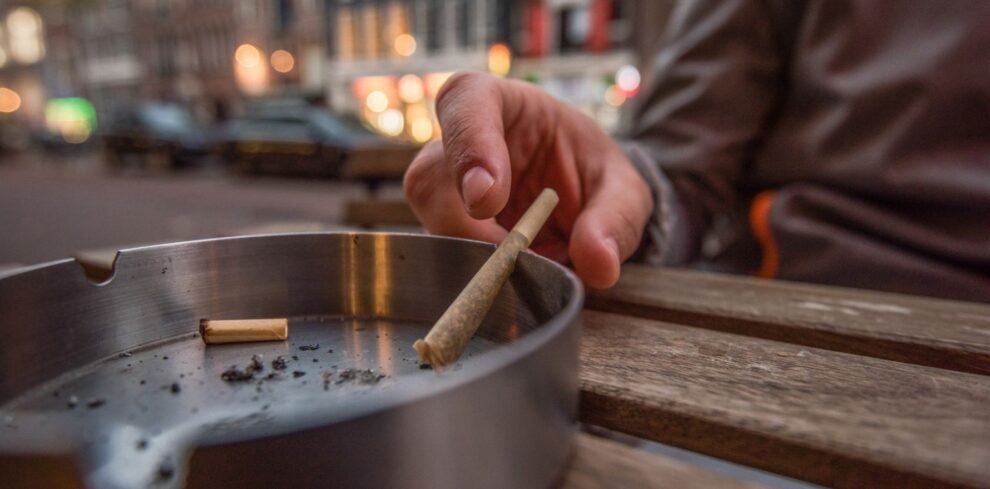

The proposed changes by the Minns government to introduce new driving laws for patients using THC-containing medicinal cannabis products for medical purposes is a welcoming proposal but requires safeguards in place to ensure the safety of the community on the NSW roads.
The Bill was lodged in Parliament on 25 June 2026 and I was quoted by the Minister of Transport in her speech. The issue will be debated in Parliament in August 2026.
Australian drug driving laws are based on the presence of THC in saliva when drug tested. Driving with any detectable amount of THC on roadside saliva tests is an offence regardless of if you are impaired or not.
The proposed reform means patients who test positive to the THC at the roadside testing have their licence suspended for 24 hours until the saliva test returns from the laboratory.
If the test is below 50ng/mL threshold, the patient is permitted to drive again. If the test is above this arbitrary level, they are warned to see their doctor to adjust their medication to ensure future THC testing remains under the 50ng/ml limit, and allows for further discussion about the risks of driving and impairment associated with THC.
Each time they test positive on the roadside on saliva testing, the same scenario occurs with testing and licence withdrawal for 24 hours, but on the third strike [within a two-year period] they run the risk of an offence regardless of if they are impaired or not.
The warnings provide the opportunity for patients to visit their treating health practitioner to change their medical treatment to better align with the arbitrary limit. It does mean, if the medication dosage is reduced, it may no longer be as clinically effective.
The situation is not perfect but is a positive step in the right direction by providing safeguards of zero tolerance to a more cautious approach.
Furthermore, the NSW proposal focuses on a person’s capacity to drive safely rather than the mere presence of a medicine and the principles of Assessing Fitness to Drive. This is aligned with many other medications such as painkillers and sleeping tablets that are known to also cause sedation, but patients can drive without any offence, except if they believe their driving is impaired.
The Bill is also proposing a registration model. This is the most significant part of the reform.
By mandating registration, prescription checks, and compulsory education, NSW establishes a more regulated framework for medicinal cannabis patients who drive. This represents a far more sophisticated and proactive regulatory model than a basic legal defence.
Related

This is already occurring with patients in Victoria and national Austroad guidelines where patients are legally obligated to report any medical condition and its treatment, like dexamphetamine medication for ADHD, that may impair driving, and requires the treating health practitioner to complete a medical assessment to ensure they are driving safely.
The framework prioritises education and behaviour adjustment over immediate punishment for first and second offenses, reserving penalties for repeated non-compliance.
This registration model has merit and allows accountability, education and a mechanism for monitoring and evaluation. This is particularly valid as THC is known to impact driving and increase the risk of road crashes.
The issue is who it impacts, as even low doses can cause drowsiness in sensitive people, especially if taking other medication.
Additionally, there is a critical need for a robust evaluation of how the arbitrary 50 ng/mL saliva threshold was established as an indicator of driving impairment, given the numerous variables that influence this cut-off.
For example, the method of administration – oral versus sublingual drops versus vapourising of medicinal cannabis containing THC – and timing of the medicine can influence this level. The law does not impact patients on medicinal cannabis containing CBD alone.
If accepted, a review of the Bill in 12 months should be mandatory and publicly reported, with ongoing research throughout this period to explore if the changes impact cases of roadside crashes and enforcement impacts.
The bottom line? I advise patients, do not immediately drive when taking medicinal cannabis containing THC. Wait six to eight hours after its use, avoid taking other drugs, alcohol and medication that cause drowsiness at the same time, take the lowest dose required, and don’t drive if you feel impaired.
Associate Professor Vicki Kotsirilos is a Melbourne GP who was one of the first medicinal cannabis prescribers in Australia.
The post New medcann driving laws welcome but safeguards needed appeared first on Medical Republic.






Add Comment