


Courses for you
Chloe Pigneguy
The APA runs a significant number of professional development courses throughout the year, both face to face and online. Here are some highlights among the upcoming courses.
NEUROLOGICAL CONDITIONS AND GAIT
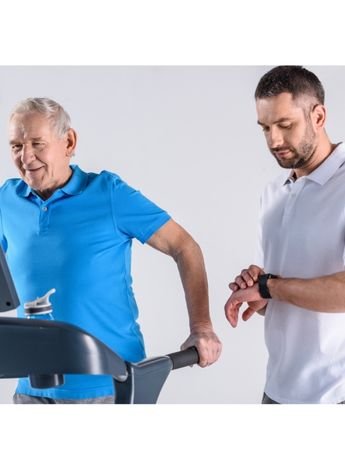
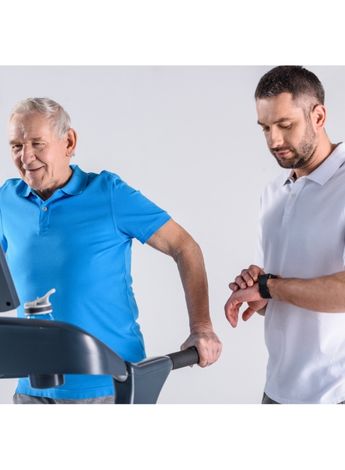
Over two days, this course provides in-depth insight into higher-level mobility analysis and retraining post-neurological injury in the adult population.
Participants will gain an understanding of the impact of neurological injury on mobility, the impact of speed and age on gait performance and the biomechanical features of gait disorders in people with stroke, acquired brain or traumatic brain injury, cerebral palsy and/ or Parkinson’s disease.
Other learning outcomes include assessing and prescribing exercise to improve walking and higher-level mobility (with a focus on running) in people with neurological conditions.
The course is available to qualified and Ahpra-registered physiotherapists. ‘Adult gait and running analysis and retraining for people with neurological conditions’ will run on 7–8 November in Nedlands, Western Australia.
THE OLDER KNEE
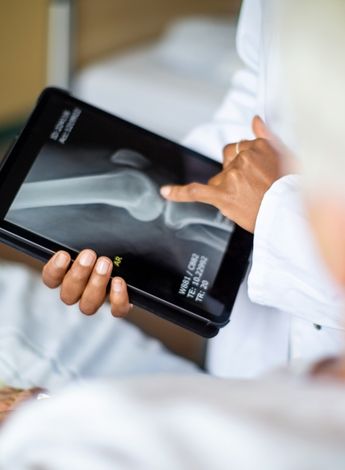
This course will examine osteoarthritis, the signs and symptoms of the osteoarthritic knee and the degenerate meniscus and the long-term effects of anterior cruciate ligament reconstruction.
Learning outcomes include explaining to a patient where their knee pain is coming from and what they can do to help their symptoms, evaluating quadriceps and gluteal control, examining the hip and determining its influence on the knee, designing a simple home exercise program and providing a patient with sufficient evidence to empower them to self-manage.
The course is available to qualified and Ahpra-registered physiotherapists.
‘Rescuing the older knee’ will run on 14 November in Camberwell, Victoria.

PERIMENOPAUSE, MENOPAUSE AND BEYOND
This two-day course will arm the clinician with practical, evidence-based tools to confidently support women approaching perimenopause, menopause and postmenopause.
Hormonal transitions can present as complex presentations from 35 years of age.
Learning outcomes include understanding the minutiae of each sex hormone and the physiological effect of perimenopause and postmenopause on all the systems of the body, assessing a client from a hormonal perspective and advising clients on the various forms of hormonal therapy available, along with non-hormonal treatments and non-treatment options such as lifestyle modifications.
‘Hormones in motion: targeted physiotherapy skills for women aged 35+ approaching perimenopause, menopause and beyond’ will run on 14–15 November in North Ryde, New South Wales.






Add Comment