





Psilocybin could become a treatment option for persistent post-concussion symptoms, Monash University researchers say.
They believe the psychedelic compound may hold promise for a condition that affects millions of people worldwide and has few effective treatment options.
Concussions are the most common form of traumatic brain injury, affecting an estimated 56 million people worldwide each year. Up to 50% of these individuals will go on to experience PPCS.
Monash has launched Australia’s first randomised, double-blind, active placebo-controlled clinical trial investigating whether psilocybin-assisted therapy can reduce symptoms in people living with PPCS.
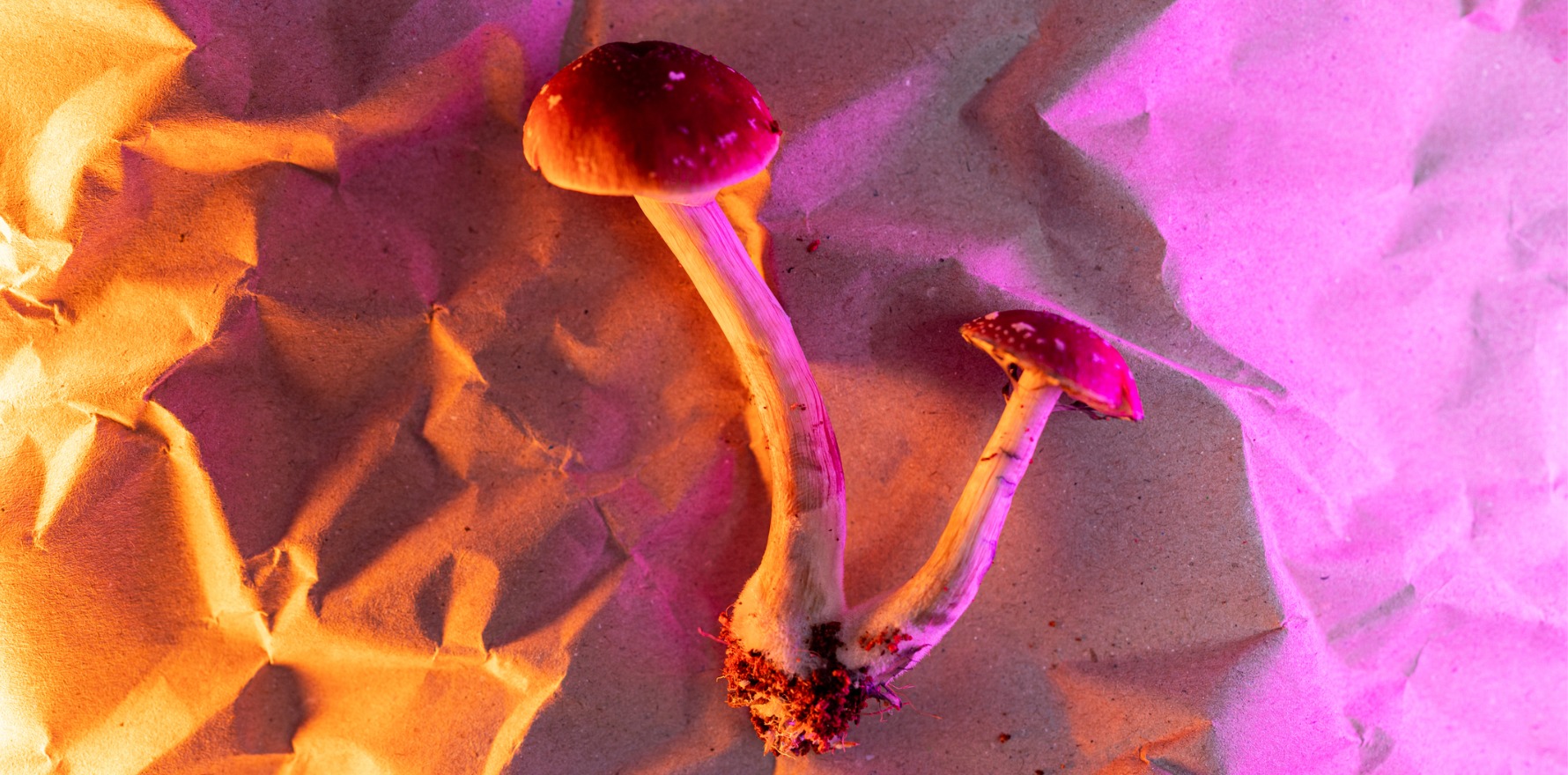
Researchers say psilocybin – the key compound in ‘magic mushrooms’ – may reduce neuroinflammation and enhance the brain’s capacity to form new neural connections, targeting the biological underpinnings of PPCS and managing symptoms.
They hope the treatment could address both the biological and psychological factors that contribute to persistent symptoms following brain injury.
Lead researcher Professor Terence O’Brien said the clinical trial was an important opportunity to evaluate a novel treatment approach.
“Given the lack of effective treatment options for persisting and debilitating concussion symptoms, we are excited to be studying a promising new approach,” Professor O’Brien said.
Concussion symptoms include cognitive and emotional complications, and other debilitating symptoms, including headaches, dizziness, nausea, sleep disturbances, and irritability. The symptoms can be severe enough to affect a person’s ability to work, study and participate in daily activities.
The trial will compare a 25mg therapeutic dose with a 4mg active placebo, with the primary measure of effectiveness being the difference in Rivermead Post-Concussion Symptoms Questionnaire (RPQ) scores between the two groups at week 10 – six weeks after psilocybin dosing. Participants and researchers will remain blinded to treatment allocation throughout the study.
Enrolments began in June 2026, with a target of 60 participants.
Professor Sandy Schlutz of the School of Translational Medicine and a member of the Monash Trauma Group said researchers anticipate psilocybin benefits could last for at least six-months post treatment.
“If we see benefits lasting at least six months after treatment, that would be a gamechanger, and we will test this in the trial,” he said.
The project will incorporate cutting-edge neuroimaging and biomarkers of psychedelics within the Monash Trauma Group, alongside clinical implementation and assessment in the university’s Clinical Psychedelic Lab.
Examining blood and neuroimaging biomarkers in the brain would offer direct insight into how the drug operates in the body and reduces symptoms, said Professor Schlutz.
Lab head Dr Paul Liknaitzky said the research could address a major unmet need for current sufferers of PPCS.
“We’re testing a combined treatment approach that targets both the neurological and psychological drivers of patients’ symptoms and functionality,” Dr Liknaitzky said.
Related

Monash University’s Departments of Neuroscience and Psychiatry will receive a $1.5 million Medical Research Future Fund grant to finance the three-year trial.
Psychedelic-assisted therapy has previously been used to improve the mental health and well-being of terminally ill patients, and across a range of other conditions, including trauma and existential distress.
Australia is the first country to have established a national, regulated clinical model for psychedelic-assisted therapies in 2023, allowing authorised psychiatrists to prescribe psilocybin for specific indications under strict regulatory oversight.
A similar Phase 1 study is currently underway at the University of Calgary in Canada.
Eligible participants are those who have experienced PPCS for at least six months, irrespective of the initial cause of their injury.
Participants cannot take antidepressants or other psychiatric medications during the screening or for the duration of the trial.
The trial will involve three preparation sessions before dosing, four integration psychotherapy sessions over six weeks following treatment, and a structured self-guided integration program of 30 to 60 minutes of daily activities for two weeks after dosing.
The program will cover understanding symptoms and recovery, emotion and stress management, sleep restoration, reconnection, and exploration of meaning and motivation.
Lab research fellow Dr Josh Allen encouraged those with ongoing PPCS to register.
“Our approach will promote safety and maximise benefits for all trial participants,” he said.
Those interested in participating in the trial can complete a pre-screening survey available here.
The post Can psilocybin treat persistent concussion symptoms? appeared first on Medical Republic.






Add Comment