




Aquatic rescue in hydrotherapy
Brendan Bugeja
The APA has partnered with the Royal Life Saving Society – Australia (RLSSA) to enhance the RLSSA Hydrotherapy Rescue Award.
As part of that work, a recent project focused on the development of updated online learning content.
Building on a longstanding partnership between the two organisations, this latest update incorporates contemporary aquatic physiotherapy expertise while maintaining RLSSA’s established aquatic safety and rescue framework.
The Hydrotherapy Rescue Award is nationally endorsed by both organisations and has been specifically developed for physiotherapists working in aquatic environments.
What does the course cover and who is it designed for?
The Hydrotherapy Rescue Award is suitable for practitioners (including physiotherapists and allied health assistants) who undertake aquatic-based therapy and provides them with the knowledge and skills to manage risks and promote the safety of their clients and staff in hydrotherapy pool environments.
These settings include public pools and public hydrotherapy pools, private hydrotherapy pools and hydrotherapy pools in hospitals.
The course supports safer aquatic environments for both practitioners and clients through the identification of risks via screening processes and the development of essential rescue and response skills.
The Hydrotherapy Rescue Award provides nationally consistent aquatic rescue training for physiotherapists working in hydrotherapy environments while allowing the practical training to be adapted to local facilities, participant needs and operational contexts.
By the end of the course, learners will gain a clear understanding of:
- the regulatory environment and key guidelines that apply to aquatic physiotherapists
- screening processes and aquatic risk management considerations relevant to hydrotherapy practice
- core principles and techniques for aquatic rescue and patient extraction
- the basic life support process and its application in hydrotherapy settings
- requirements for incident reporting and the purpose of structured debriefing.
There are two parts to the RLSSA Hydrotherapy Rescue Award:
- pre-course online learning modules
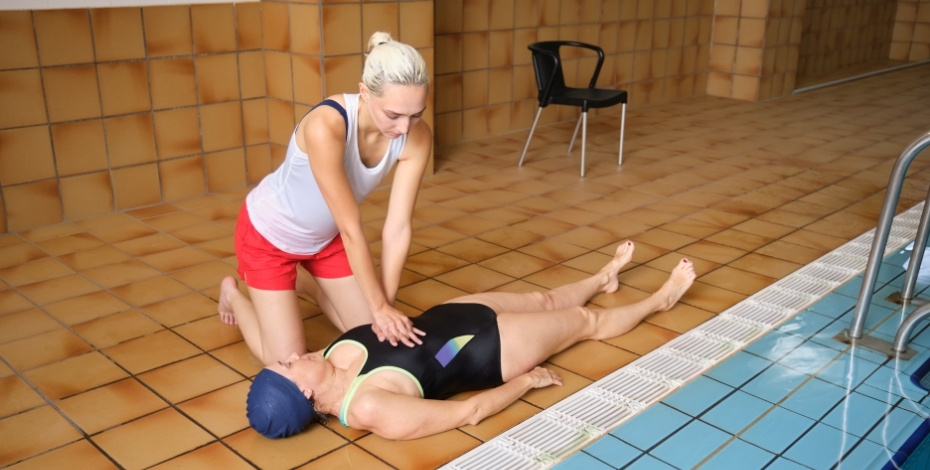
- a practical session consisting of pool rescues, basic life support and CPR.
Are there any prerequisites physiotherapists need to complete before undertaking this course?
There are no prerequisites for physiotherapists (or others) before undertaking the course.
However, each practitioner can consider their clientele and the pool facilities they use, reflect on potential risks and evaluate existing safety measures in their current aquatic physiotherapy practice.
The RLSSA recognises the Hydrotherapy Rescue Award as the minimum standard for qualified physiotherapists and the Australian guidelines for aquatic physiotherapists working in and/or managing hydrotherapy pools (second edition) recommends yearly training in pool rescue.
It is encouraged that participants have an adequate level of physical fitness to enable completion when undertaking the practical components of the course.
What practical skills will participants gain by completing it?
The course reflects current practice, clinical relevance and realworld application for physiotherapists and is aligned with the Royal Life Saving Guidelines for safe pool operations and the Australian guidelines for aquatic physiotherapists working in and/or managing hydrotherapy pools (second edition).

Nicole Gardner
It provides a practical, evidence-informed approach to managing both client and staff safety and responding to incidents in hydrotherapy settings.
The online learning modules cover the key knowledge, theory and principles that underpin aquatic risk management and safety, aquatic rescue and emergency response.
Upon completion, attendees will be able to clearly identify, via improved screening processes, the risks for their clients and the potential risk in the pool facilities they use and to evaluate how to mitigate these risks and implement safety measures in their current aquatic physiotherapy practice.
During the practical session, participants develop and practise safe rescue techniques, patient extraction, basic life support and CPR appropriate to hydrotherapy environments.
How does the course prepare physiotherapists to respond to real-world incidents in hydrotherapy settings?
The Hydrotherapy Rescue Award is a practical course that teaches physiotherapists how to mitigate risks, implement effective risk controls and respond to incidents safely when they occur in the pool.
As risks may arise from clients, environments or clients’ activities and behaviours, the course provides specific considerations including new modules on conditions or comorbidities that physiotherapists may manage in the hydrotherapy pool.
As part of this project, the updated online learning includes new physiotherapy-specific topics covering conditions such as epilepsy, diabetes and bariatric care, along with guidance on aquatic risk assessment and screening.
It also introduces the principles of managing suspected spinal injury in aquatic environments through online learning and video demonstration.
Practical instruction in suspected spinal injury management may be incorporated into face-to-face training where requested and where additional training time is available.
What does the partnership between the APA and the RLSSA bring to this course and what’s new in the updated version?
The updated online learning component incorporates expert aquatic physiotherapy knowledge while building on the RLSSA’s established aquatic safety and rescue framework and provides physiotherapists with access to nationally consistent, evidence informed training tailored to hydrotherapy environments.
It supports the Australian guidelines for aquatic physiotherapists working in and/or managing hydrotherapy pools (second edition) and helps strengthen both the quality and accessibility of ongoing professional development.
The online component of the Hydrotherapy Rescue Award allows physiotherapists practising in aquatic settings across Australia to gain access to information that was previously only available to physiotherapists working and living in cities, who were able to attend face-to-face courses.
The course emphasises the importance of screening, recognising potential risks in a client’s presentation and implementing appropriate measures to support safe aquatic physiotherapy practice.
It highlights the required levels of supervision in various situations (which may be new to some physiotherapists) and instructs participants on how to manage pool rescues in different settings, with different client types.
It will help physiotherapists better understand the respective roles of lifeguards and other support staff when working in public pool environments, while also clarifying their own responsibilities as the treating physiotherapist across different aquatic settings.
Additionally, information on advanced aquatic rescue methods – specifically, management of a suspected spinal injury – is now included in the online component.
These enhancements continue the longstanding collaboration between the RLSSA and the APA, ensuring that the Hydrotherapy Rescue Award remains contemporary, practical and nationally relevant for physiotherapists working in aquatic environments.
I would like to acknowledge the RLSSA, particularly Shaun Jackson (national office) and the state and territory member organisations, for their collaboration in incorporating aquatic physiotherapy expertise into this update of the RLSSA Hydrotherapy Rescue Award.I also gratefully acknowledge the support of physiotherapists Clare Martinac and Adrian Benson, who assisted in the development of the aquatic physiotherapy content incorporated into the course.
To book a course or learn more, contact your local RLSSA branch or visit the RLSSA website.
>>>Nicola Gardner APAM is a physiotherapist with over 20 years of experience, practising in paediatrics for the past 17 years and in the fields of rehabilitation, aquatic physiotherapy and persistent pain. Nicola is a lecturer and tutor for the APA Level 1 Aquatic Physiotherapy courses and has been involved with the APA Aquatic national group since 2013, representing Victoria and Queensland. Currently, she is working at the Queensland Children’s Hospital and delivering aquatic physiotherapy care to children within a private practice in Brisbane.






Add Comment