



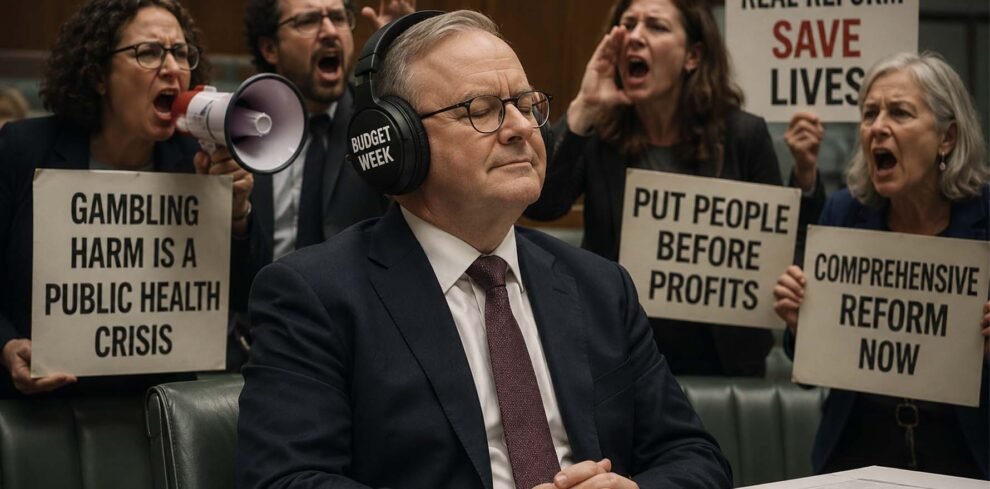

AMA president Dr Danielle McMullen has described years of gambling reform advocacy as “deeply frustrating” after fronting yet another Senate inquiry on the government’s gambling reform bill, telling The Medical Republic it still doesn’t go far enough.
The AMA has consistently called for full implementation of the 31 recommendations in the late Labor MP Peta Murphy’s report, You win some, you lose more, which received rare bipartisan support in 2023.
Despite this support, the AMA’s latest submission says the Interactive Gambling Amendment bill 2026 remains too limited.
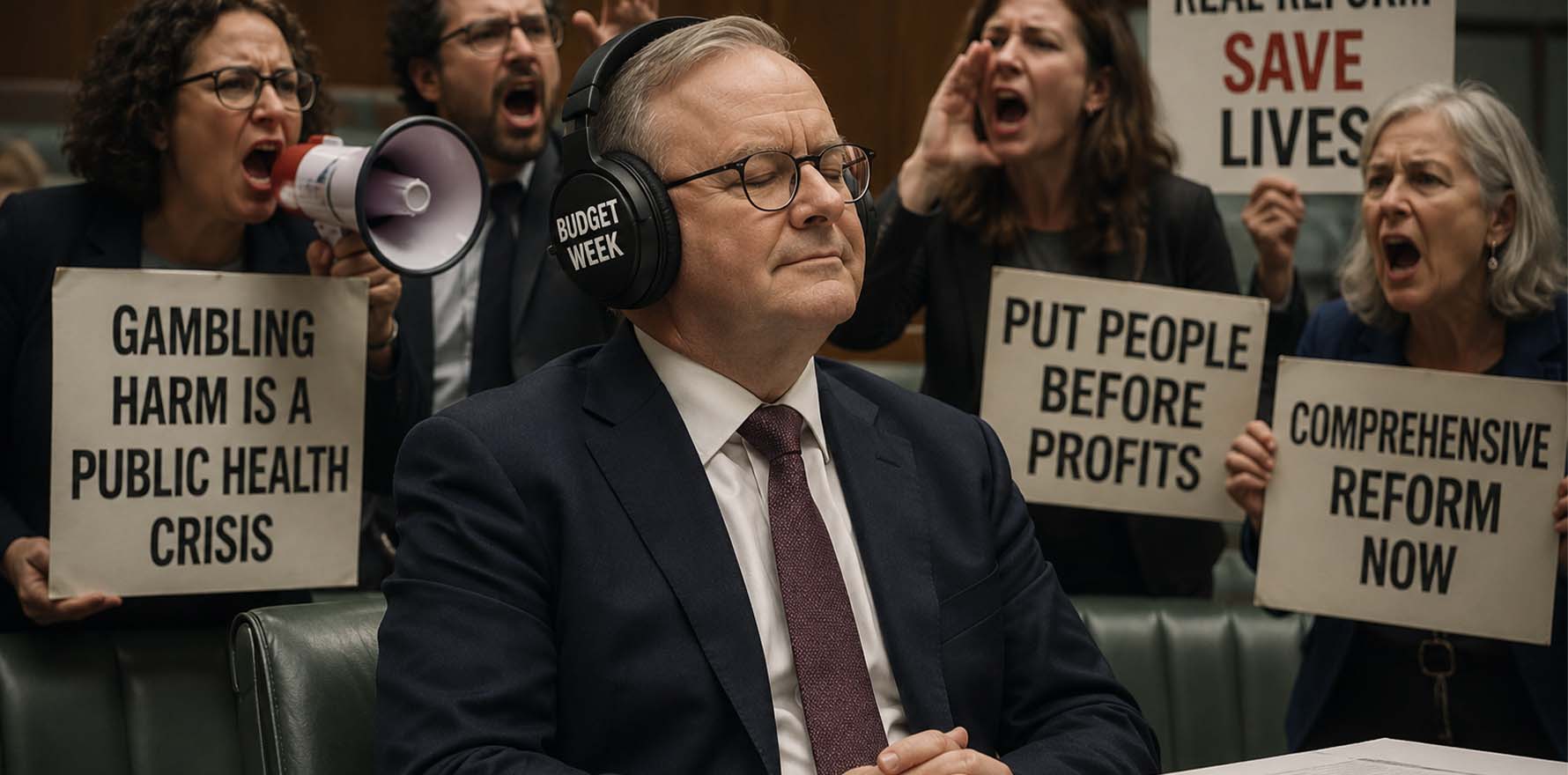
It follows the government’s official response to the report in May this year, which confirmed it would not pursue a full ban on gambling advertising – a response quietly tabled on budget day.
In its current form, the bill relies on platform-based child protections and self-declared age verification, mirroring the faults of the government’s under-16 social media ban from last year, the AMA said.
Under the reforms, gambling ads will be banned on online platforms unless people are logged in, over 18, and haven’t opted out of gambling advertising.
Grandfathering arrangements would also undermine the point of the entire reform, the AMA warned.
As it stands, not even the department could tell the AMA how long gambling logos would continue appearing on jerseys and sporting grounds, leaving the children and young people the reform aims to protect exposed to gambling advertising for years to come.
Related


If the bill passes in its current configuration, overnight live sport – including the recent FIFA World Cup final – would remain exempt from the complete advertising ban that applies to live broadcasts between 6am and 8:30pm, including scheduled and unscheduled breaks.
Outside live sport, gambling ads would be capped at no more than three per hour during the same window.
“The Bill appears to give greater weight to concerns raised by media and gambling companies that ‘the sky would fall in’ if stronger advertising restrictions were introduced than to the public health evidence on gambling harm,” the AMA’s submission read.
Dr McMullen said the top priority remained ensuring a complete ban on advertising rather than the government’s proposed halfway measures.
“It is deeply frustrating to be having these same circular conversations years later, when the government could well have acted years ago,” she said.
“Like all public health issues, prevention is better than cure, which is why the AMA has been fighting for so many years to reduce the initial harms of gambling.”
For GPs, she said gambling harm often goes unspoken unless raised directly.
“There’s a lot of shame and stigma around [gambling]… I find it often takes us as the GP asking patients about whether they’ve had problems with gambling,” Dr McMullen said.
In the meantime, she said it served as a useful reminder for GPs that programs such as the national self-exclusion register, BetStop, exist.
But even this measure remains problematic, the AMA said, and is unlikely to provide adequate protection for those experiencing gambling-related harm.
“The AMA continues to call for investment in treatment, financial counselling, family support and banking protections, including mechanisms that prevent gambling transactions for people who have self-excluded, where appropriate,” the submission read.
RACGP addiction medicine special interest group chair Dr Hester Wilson told TMR the conflation of sport and gambling as integral to Australian culture, and its ease of access, was deeply destructive.
“It destroys [people’s] relationships, families, financially ruins them, puts them at very high risk of physical and mental health harms, and it just costs so much,” Dr Wilson said.
According to the Institute of Health and Welfare, gambling expenditure totalled $31.5 billion between 2022 and 2023, the highest in 20 years.
“You’re asking people to have incredible willpower for a condition we know is not about willpower.”
Accessing support is more difficult for those under 18, Dr Wilson said, because most programs are only available to adults.
“Stopping this happening in the first place is much more cost-effective,” she said.
“It takes 10 years on average for people to seek help. But it’s also really important for GPs to recognise how common gambling is, and alert [patients] to the variety of confidential free services available.”
Submissions closed on 24 July, with the committee’s report due 17 August.
The bill’s reforms are set to commence on 1 January 2027.
The post AMA: gambling bill a fumble appeared first on Medical Republic.







Add Comment