



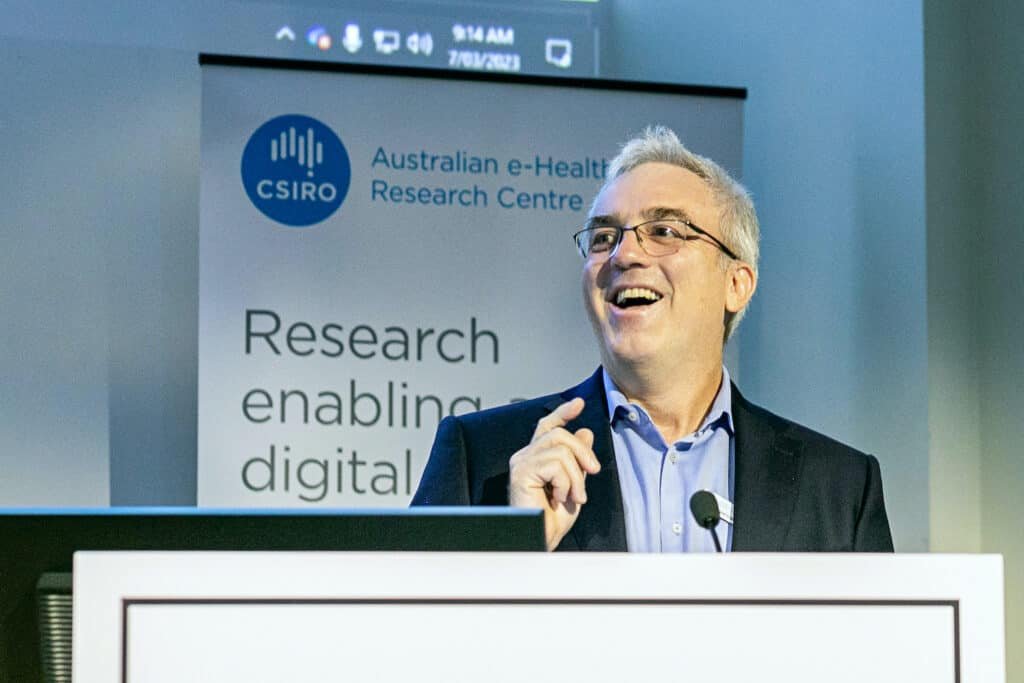

A new CSIRO report, AI Trends for Healthcare 2026, reveals how AI is now embedded in real-world clinical settings for more connected, safer and more efficient healthcare.
“For many years, AI has largely been ‘under the hood’– a powerful but often invisible technology understood mostly by technical experts,” said Dr David Hansen, CEO and Research Director of CSIRO’s Australian e-Health Research Centre.
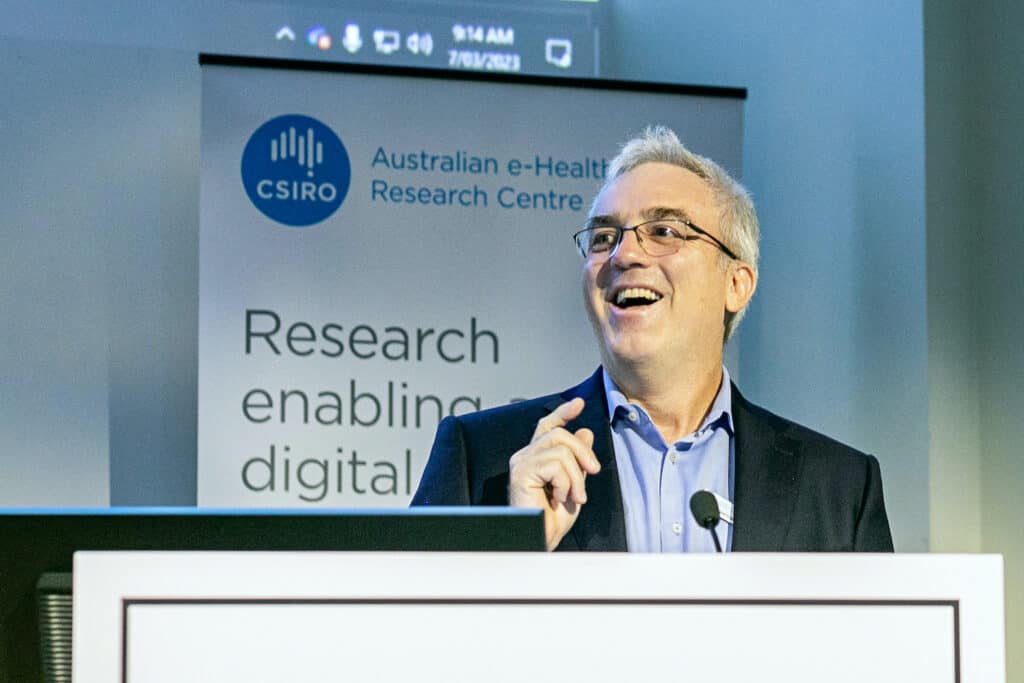
“The rapid rise of generative AI has changed that. These tools have brought AI into the spotlight and accelerated its integration into healthcare – while also sharpening the focus on safety, quality and responsible use,” Dr Hansen added.
The report demonstrates how AI is already delivering measurable benefits across healthcare, from clinical decision support and medical imaging analysis to disease management and personalised care.
In one case study, AI is being used to generate synthetic CT scans from MRI images, helping clinicians plan more accurate radiotherapy treatment and reducing patients’ exposure to radiation.
As healthcare organisations, researchers, industry and governments adopt AI, the report emphasises realising AI’s full potential depends on strengthening the systems that underpin it.
“As healthcare systems increasingly rely on AI-powered tools, the need for robust evidence, quality assurance and community co-designed standards has never been greater,” said Dr Hansen.
The report also examines emerging technologies such as multimodal AI and AI-assisted software development, offering insight into the innovations shaping the next generation of healthcare.
“We found new AI technologies need to be developed hand-in-hand with clinicians and industry. The research in this report signifies rich collaboration and therefore equally rich real-world utility,” Dr Hansen explained.
The report identifies key challenges that must be addressed to ensure AI technologies are safe and effective at scale including regulation, quality management, data governance and digital health interoperability.
It also outlines the critical role of national digital health standards, including work underway through Sparked, Australia’s Fast Healthcare Interoperability Resources accelerator, to ensure new AI technologies can integrate effectively across the healthcare system and support connected, patient-centred care.






Add Comment