




Australian crisis support organisation Lifeline has reduced the time volunteers spend logging into systems before their shifts from as much as 15 minutes to just a few minutes, following a migration to the Genesys Cloud platform.
The organisation, which receives a call to its crisis support line every 29 seconds, has consolidated its voice, text and web chat services onto a single platform – improving accessibility for visually impaired volunteers and introducing new tools to support training and service delivery.
The technology also supports the expansion of 13YARN into text and chat services, while Lifeline is developing a safety planning tool that it hopes to trial next year.
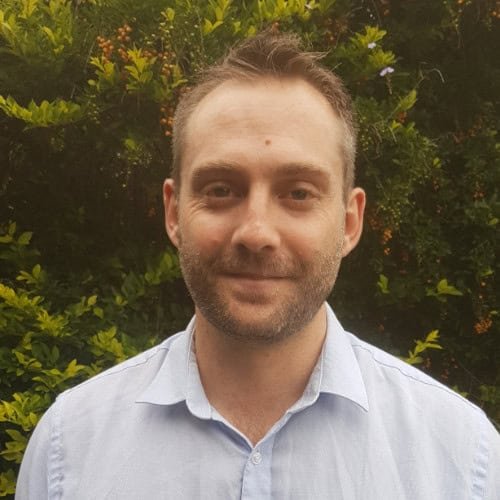
James Doyle.
In this Q+A, Lifeline head of enterprise portfolio management office, people and corporate services James Doyle discusses the migration, its impact on crisis supporters and the lessons for other healthcare and community service organisations modernising their technology.
What were the main challenges with Lifeline’s previous technology environment, and how were these affecting crisis supporters and volunteers in their day-to-day work?
Lifeline’s crisis support line receives a call every 29 seconds, and on each call, our volunteers are doing incredibly important work, often helping people through some of their most difficult times. So, one of our ongoing goals is to make that work as easy as possible.
Previously, our technology environment involved several different systems, each with its own logins and start-up processes. This resulted in our crisis supporters having to spend up to 15 minutes logging into systems prior to each shift, but since our transition, this lead time has been cut down to only a few minutes. Considering many of our crisis supporters are volunteering their time for Lifeline, this is a critical improvement to their experience with us.
We’ve also been able to improve accessibility, which has helped some of our visually impaired volunteers work more independently.
It’s all part of making the technology easier and more intuitive, so crisis supporters can focus their time and attention on supporting help seekers.
What prompted Lifeline to move to Genesys, and what were the key requirements when selecting a new platform?
We wanted a platform that could simplify technology for our volunteers, consolidate our systems, and support us as we introduced new capabilities.
Genesys stood out because it could support our voice, text, and chat services in one environment, with the flexibility to introduce new capabilities over time.
At the time, Lifeline had just amalgamated with On the Line Australia, which was already using Genesys to deliver services such as MensLine Australia. Its positive experience with the platform gave us confidence that Genesys could support our needs.
We now use Genesys Cloud for voice, text and web chat across our Lifeline and 13YARN services, in addition to our more specialised clinical services.
Lifeline has reduced on-shift login times from as much as 15 minutes down to only a couple of minutes. What changes made this possible, and what has been the practical impact for crisis supporters?
One of the biggest improvements has been introducing single sign-on and bringing our voice, text and chat services onto the same platform.
We’ve also introduced a shift starter tool that guides crisis supporters through the login process and runs checks to identify potential technical issues before their shift begins. This creates a simpler, more consistent way to start each shift and helps crisis supporters get set up smoothly.
Beyond faster logins, how has consolidating multiple systems into a single platform changed the way crisis supporters work? Have you been able to measure any improvements in productivity or service delivery?
Having our services on one platform has made the day-to-day experience much simpler for crisis supporters and their supervisors.
For example, we’ve recently integrated our Support Finder tool with Genesys. Crisis supporters can now open the tool directly from the platform, with relevant information from their interaction already carried across. That saves them from having to manually copy information between systems.
Additionally, our ability to develop and implement iterative improvements to our systems has been significantly enhanced. We can now deliver smaller improvements more quickly and with less cost. Finally, we now have a training environment where volunteers can familiarise themselves with the technology before using it during a live shift.
Accessibility was identified as a limitation of the previous technology. What specific improvements have been made for visually impaired volunteers, and how have they responded to the changes?
Previously, some volunteers needed help from supervisors to complete tasks such as entering call summaries after supporting a help seeker or reading content.
With Genesys, volunteers can now complete more of these tasks independently. For example, visually impaired crisis supporters can now use accessibility tools such as screen readers and screen magnification to support their work.
We’ve received some really positive feedback from volunteers who’ve experienced that change firsthand.
How has the new platform changed the way Lifeline trains and supports volunteers, particularly those who may have limited technical experience?
Genesys has made it easy to create dedicated training environments where volunteers can get hands-on experience with the platform before supporting real help seekers.
That’s particularly valuable because our crisis supporters come from different backgrounds and have varying levels of confidence with technology.
We’re also exploring ways to make tools more intuitive, so volunteers have less to remember and coordinate during a shift.
Our crisis supporters dedicate considerable time to training and supporting help seekers. Making the technology simpler and more intuitive helps them focus their time and attention where it matters most: on the person reaching out for support.
Lifeline is developing new capabilities, including a safety planning widget and the 13YARN Text & Chat service. How will these work, what stage of development have they reached and how is the new technology environment supporting their introduction?
The safety planning tool that’s currently in development will help crisis supporters create and share safety plans with help seekers. We’re hoping to move this new capability to trial next year, and this would not have been possible with our old service delivery platform.
Additionally, the 13YARN service is supported by Lifeline and uses our national infrastructure, but it’s designed, led and delivered by Aboriginal and Torres Strait Islander people, with its own distinct identity and culturally informed approach. We’ve just successfully expanded this service beyond voice to text and chat channels, enabling more ways for Mob to connect with that same culturally safe service.
Having a more consolidated technology environment gives us a stronger foundation for introducing new services. It lets us build on existing systems and processes while keeping the experience accessible and straightforward for both crisis supporters and help seekers.
What have been the biggest challenges or lessons from the migration, and what advice would you give other healthcare and community service organisations looking to modernise their contact centre technology?
One of our biggest challenges was bringing multiple systems and processes together. Working with Genesys has helped us consolidate our services onto one platform, while giving us the flexibility to keep improving.
Technology should support our crisis supporters, not get in their way. The simpler and more intuitive we can make it, the more they can focus their time and attention on the people reaching out for support.
Many of our crisis supporters are volunteers, and some may only be on shift once a fortnight. Making the technology simple, accessible and easy to use helps reduce the time spent navigating systems, so they can focus their time and attention on supporting help seekers.






Add Comment