



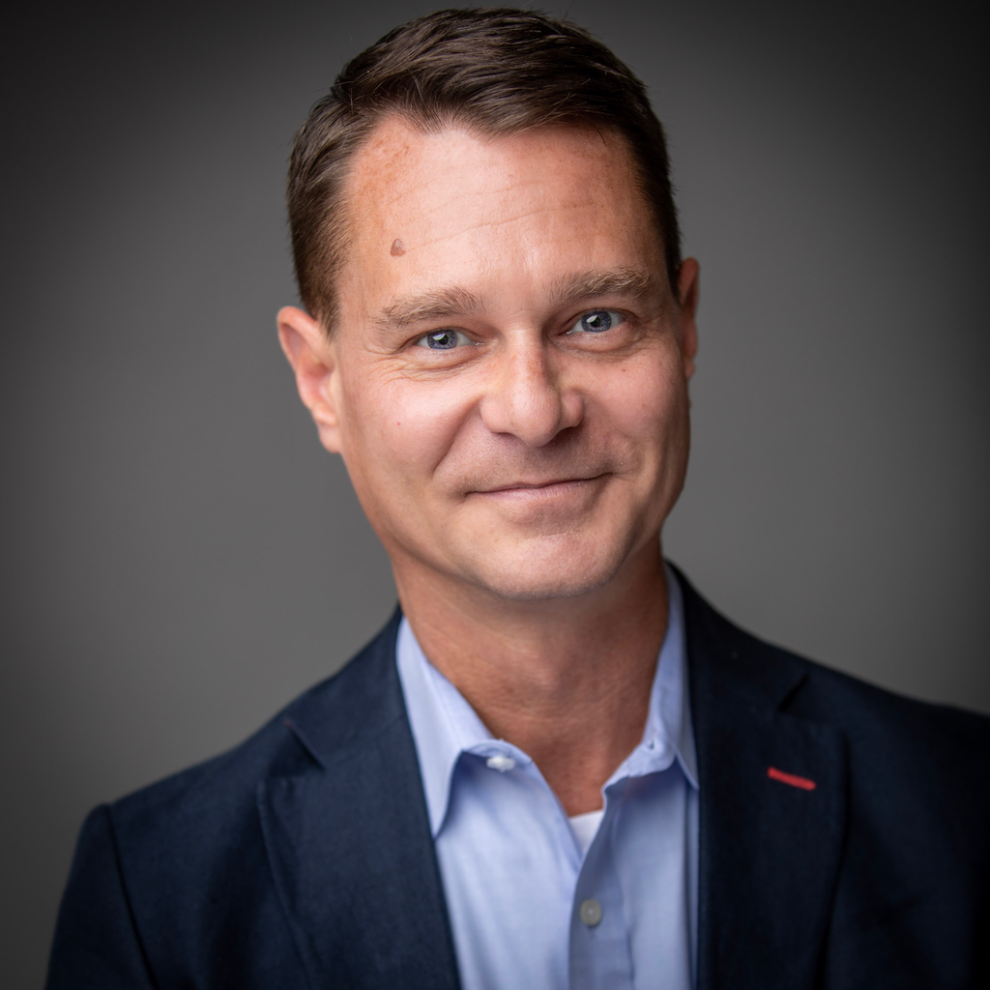

Daniel Vukelich, President and Chief Executive Officer of the Association of Medical Device Reprocessors (AMDR), was recently in Sydney for the RegConnect Summit 2026, where he spoke on a panel examining the shift “From Single Use to Circular Use: The Future of Sustainable Medical Technology.”
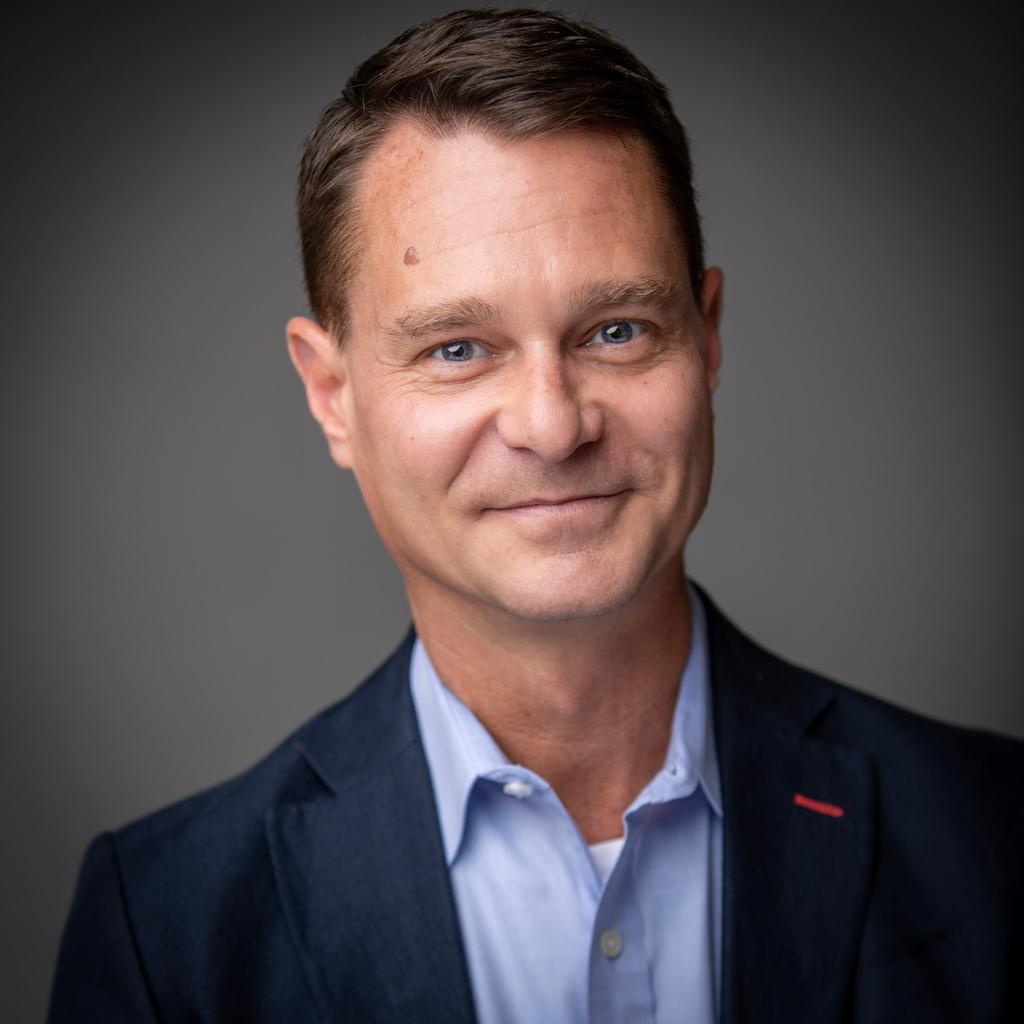
Mr Vukelich has spent more than 20 years representing companies responsible for the majority of commercial single-use medical device reprocessing and remanufacturing across North America and Europe, working with regulators and international bodies.
His visit camr as medical device reprocessing and remanufacturing begins to gain ground in Australia, including through Cardinal Health’s new Gumtree facility near Newcastle, the country’s first dedicated facility of its kind.
Pulse+IT spoke to Mr Vukelich about what Australia can learn from more established markets, the regulatory and safety requirements for reprocessed devices and the potential for local reprocessing and remanufacturing to reduce waste and strengthen medical supply chains.
Cardinal Health Australia and New Zealand managing director Neroli Manning also provided comments on local supply chain resilience and the development of the Australian sector.
What does a mature medical device reprocessing industry look like and what lessons could Australia take from markets such as North America and Europe?
Daniel Vukelich: A mature reprocessing industry works with almost every hospital or surgical centre in the country. Collections of used devices are robust so that we have ample supply to meet demand. Hospital leadership, procurement teams and providers are aligned and committed to supporting the programs, and have the tools or resources they need to overcome barriers.
For a hospital, what are the practical benefits of using regulated reprocessed or remanufactured single-use devices, particularly around cost, waste and emissions?
Daniel Vukelich: Cost savings come from waste reduction, so let’s look at those as two sides of the same coin. The products themselves, in a single-payer or national healthcare system, may be slightly less expensive, but those savings are negligible. Reducing waste and waste costs, however, is not insignificant.
Given that health systems generate incredible amounts of greenhouse gas emissions – and we know from peer-reviewed research that this causes hundreds of thousands of life years lost annually – we can say without reservation that our hospitals are making people sick, particularly those with respiratory illnesses. So we have a moral obligation to do better.
Reprocessed devices reduce greenhouse gas emissions by 40 to 60 per cent compared with using the virgin device alternative. And these can be used at scale immediately once strong regulation is put in place.
How does reprocessing a device labelled for single use actually work and what safeguards are needed to ensure it remains safe and performs as intended?
Daniel Vukelich: The regulations in place in North America and Europe – and soon, we hope, Australia – assure that reprocessed devices are as safe and effective as virgin devices because they are regulated to the same standards.
Virgin devices must be sterilised or disinfected. Regulated reprocessed devices need to meet the exact same requirements. They are also labelled so they can be tracked, they are inspected for any defects and every single reprocessed device is tested.
Devices that don’t work are discarded. Studies have shown that reprocessed single-use devices do not have a greater defect rate and, in fact, some studies show them to have a lower defect rate than the virgin device they replace.
Where is the line between reprocessing, refurbishment and remanufacturing, particularly when a device requires replacement components or software updates?
Daniel Vukelich: This question is more confusing than we would like, because governments of the world use different terms in different places. Reprocessing in North America is what our members do. But in Europe, while performing the same function, the new regulations will say our work is refurbishment.
But speaking to the software updates, some original equipment manufacturers insert software updates that we have evidence to prove do nothing except thwart reprocessing of these devices.
I also want to add that the dust has not settled on what terms will be used for what activities in Australia. So you are asking a great question, but it’s not possible to answer it in a meaningful way for now.
Who ultimately carries responsibility for the safety and performance of a reprocessed or remanufactured medical device – the original manufacturer, the reprocessor or the healthcare provider?
Daniel Vukelich: Whether in North America, Europe or Australia, the reprocessor holds the liability for the device once it has been reprocessed and returned for use at a hospital.
Original device manufacturers and reprocessors can have different views on extending the life of single-use devices. What should a balanced regulatory framework look like?
Daniel Vukelich: The regulatory framework must require validation data. If a reprocessor says the same exact device can go through seven use/reprocessing cycles, or what we call “turns”, the reprocessor must prove to the satisfaction of the regulator that it can do so.
These are extremely detailed, expensive studies, often costing the reprocessor north of US$1 million.
Australia relies heavily on imported medical technology. What role could local reprocessing and remanufacturing play in making healthcare supply chains more resilient?
Daniel Vukelich: This is a great question – and timely. We remember how supply chains were shocked during the COVID epidemic. And now, with wars and tariffs, the supply chain is again vulnerable.
Australia will have reprocessing facilities domestically and that means once the virgin device is brought to Australia, it stays in Australia for reprocessing and safe reuse.

Neroli Manning: From Cardinal Health’s perspective, strengthening the resilience of the healthcare supply chain is a critical priority. Building local remanufacturing and distribution capacity for medical products is one way we can improve product availability in Australia.
Our investment in local device remanufacturing reflects this approach. It helps to enhance regional supply chain resilience, expand domestic healthcare capability and provide a more sustainable source of medical products for healthcare providers.
With local remanufacturing beginning to gain ground in Australia, including Cardinal Health’s Gumtree facility near Newcastle, what needs to happen next for the sector to develop at scale?
Daniel Vukelich: With new AMDR members opening facilities in Australia, as well as pending regulatory approval for the Cardinal plant, the heavy lifting has been done.
Now health systems need to agree that they want to reduce cost, waste and emissions – and are committed to strengthening the supply chain – by initiating reprocessing programs.
The next step is up to them, but we are confident that, with the help of news outlets like Pulse+IT, the word will get out quickly and the industry here will be robust.
Neroli Manning: Building a more sustainable healthcare sector will require collaboration among healthcare providers, policymakers, regulators and industry partners. There is growing recognition that sustainability, resilience and operational performance are closely linked.
What I find encouraging is that these priorities are increasingly viewed as connected. Sustainability is no longer seen as an isolated initiative. Instead, it is becoming part of the broader discussion about how to deliver more efficient, resilient and high-quality healthcare.





Add Comment