



Rapid shifts between drought and wet conditions may help health authorities identify short windows of heightened dengue risk, according to a global study that included Australian data.
Researchers found dengue outbreaks frequently followed so-called “hydroclimatic whiplash” events, with wet-to-dry transitions producing a particularly strong short-term signal in some regions.
The analysis included Australian subnational data alongside data from Latin America, Southeast Asia, and the Philippines. Overall, researchers analysed dengue surveillance from 13 countries and 276 subnational areas between 1990 and 2021.
The findings, published in Cell Reports Sustainability, suggest monitoring rapid changes in rainfall and drought conditions could complement existing dengue surveillance and help public health agencies decide when to step up prevention measures.
“Dengue is expanding worldwide under the combined pressures of climate change, rapid urbanisation, and persistent social inequalities,” the researchers wrote.
“While temperature and rainfall are established drivers of transmission, less is known about whether rapid transitions between dry and wet extremes (i.e., hydroclimatic whiplash events) influence dengue outbreak onsets and how social inequalities modify these associations.
“In this study, we examine dry and wet extremes and dry-to-wet (D2W) and wet-to-dry (W2D) whiplash events at subnational scale across Latin America, Southeast Asia, the Philippines, and Australia.
“Event coincidence analysis showed that dengue outbreak onsets frequently followed whiplash events, particularly W2D transitions at short lags. Whiplash characteristics were associated with outbreak onset, but duration and severity alone did not explain emergence.
“Temperature, humidity, inequality, and urban context modify dengue risk during hydroclimatic extremes. These findings suggest that whiplash events influence dengue risk and may support surveillance when interpreted alongside social vulnerability and local epidemiological information.”
The Australian results were also less clear-cut than those from some other regions. Australia had fewer dengue-affected areas in the dataset and showed less spatial coherence in the type of hydroclimatic event preceding outbreaks.
Across the full study, however, both W2D and D2W transitions commonly preceded dengue outbreak onset by zero to one month, suggesting the climatic shifts may provide a relatively short warning window.
There were plausible biological explanations for both patterns, the researchers said.
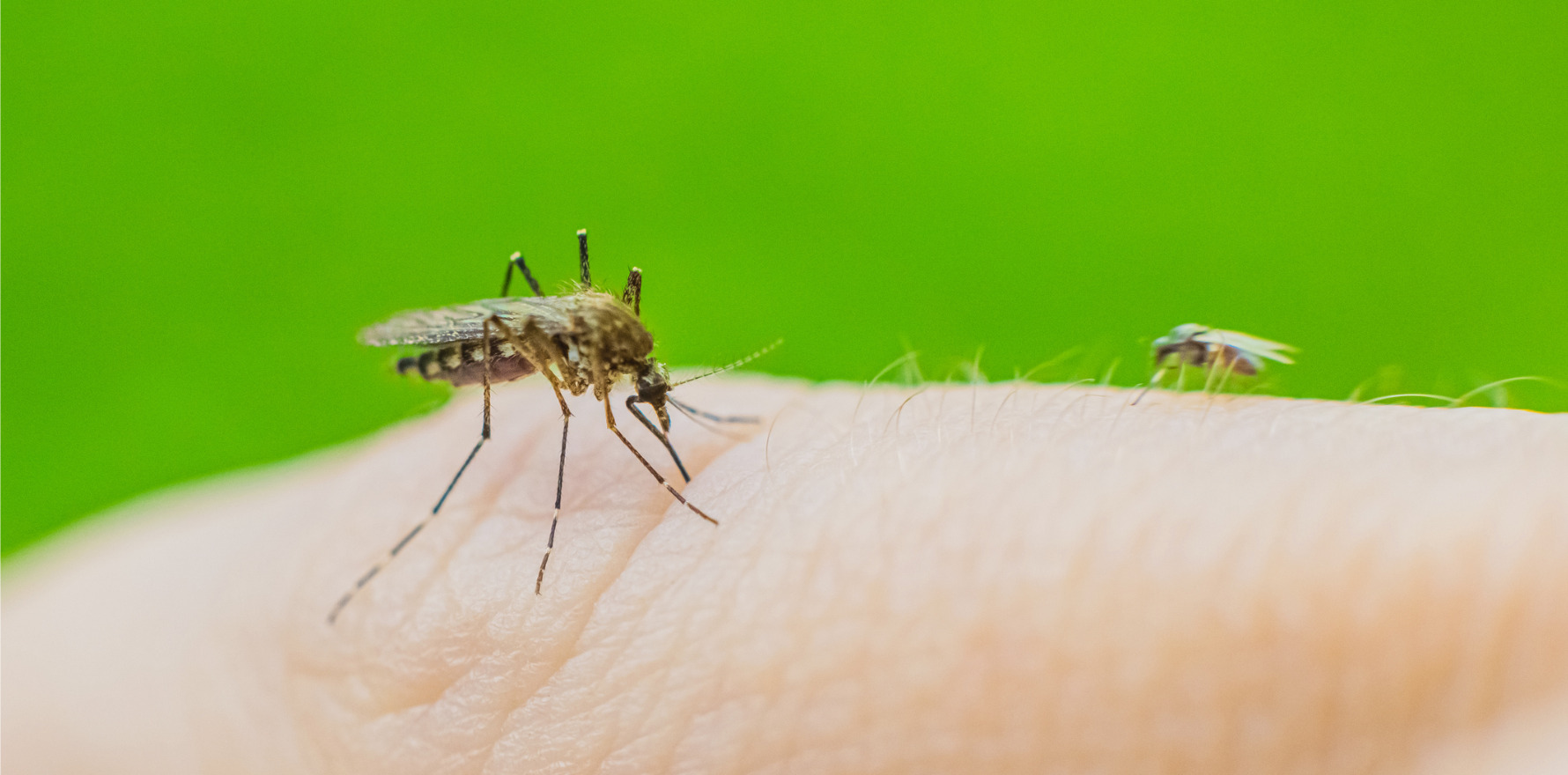
A prolonged dry spell may encourage households to store water while allowing Aedes mosquito eggs to persist.
When rain returned, containers refilled, breeding habitat expanded and eggs could hatch. Conversely, a wet period could expand mosquito breeding habitat before subsequent drying left residual water sources that concentrated mosquito-human contact.
The researchers found the relationship was far from uniform, with regional differences in rainfall, seasonality, baseline dengue transmission, water-storage practices, infrastructure, and surveillance contributing to variation in risk.
Temperature and relative humidity were consistently associated with greater dengue risk across the different types of hydroclimatic events.
Socioeconomic inequality emerged as an especially important modifier.
Temperature and relative humidity were consistently linked with higher dengue risk, while socioeconomic inequality also appeared to amplify the effect of climatic extremes. Dengue risk was higher in more unequal communities than in those with low or moderate levels of inequality.
Urbanisation, on the other hand, was a weaker and less consistent predictor. The researchers said a simple measure of urban extent was likely capturing a complicated mix of population density, water infrastructure, waste management, healthcare access, surveillance, and vector-control capacity.
Related
However, climate indicators alone performed poorly as outbreak prediction tools. Models based on the duration and severity of whiplash events had area-under-the-curve values of just 0.591 for dry-to-wet events and 0.583 for wet-to-dry events, indicating that the climatic characteristics by themselves were insufficient to predict an outbreak.
The researchers said the greatest value was therefore likely to come from combining hydroclimatic monitoring with temperature, humidity, socioeconomic vulnerability, and local epidemiological information.
They also cautioned against interpreting the associations as causal. Dengue surveillance data were affected by differences in under-reporting, diagnostic capacity, healthcare access, and surveillance intensity, while comparisons between regions were complicated by different climate regimes, health systems and reporting practices. Residual confounding was also likely.
Rather than replacing conventional surveillance, the researchers concluded that monitoring climate “whiplash” could add another layer to dengue early warning systems, potentially giving authorities an indication of when and where closer surveillance is warranted.
“Our findings have direct implications for climate-informed dengue preparedness. Monitoring D2W and W2D transitions could help identify short windows when dengue surveillance and response should be intensified,” they wrote.
“Operationally, these events could be used as triggers for vector surveillance, larval habitat inspection, container-management campaigns, public communication, and targeted support in high-inequality areas.
A prolonged dry period followed by rapid rainfall should prompt attention to domestic water storage and newly refilled containers, whereas a W2D transition may require inspection of residual water sources and persistent breeding sites.
“These actions should complement, not replace, local epidemiological surveillance, entomological knowledge, and climate services for health. The greatest value of whiplash monitoring is likely to come from combining hydroclimatic indicators with temperature, humidity, vulnerability data, and local operational intelligence to identify where transmission amplification is most likely.”
Cell Reports Sustainability, September 2026
The post Climate ‘whiplash’ may flag dengue outbreaks appeared first on Medical Republic.






Add Comment